
Can Relationship Counseling Help Save a Marriage? A Guide to Healing Your Relationship

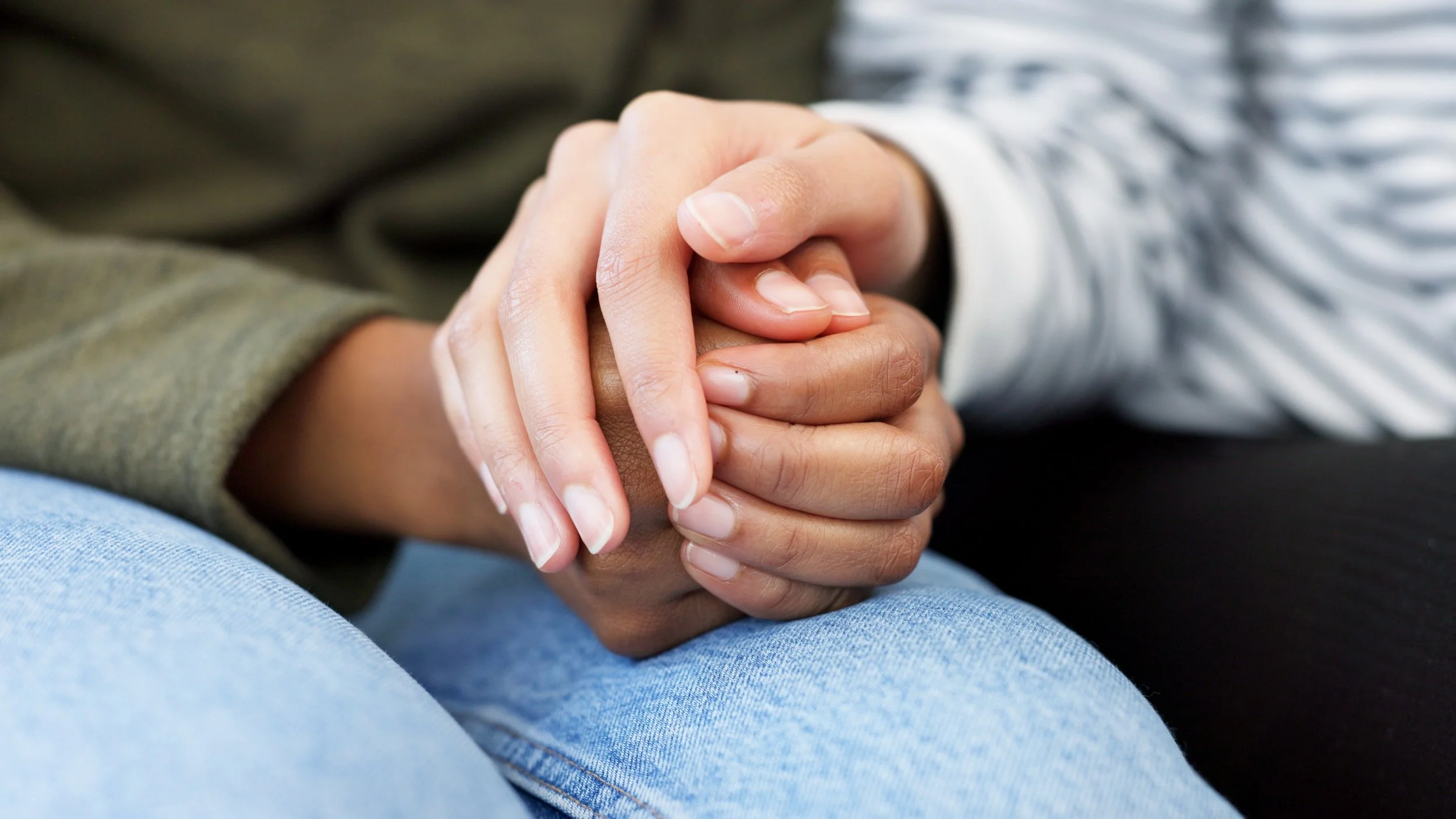
If you are asking, “Can couple’s therapy save my marriage?” you are likely navigating a season of profound uncertainty, hurt, or exhaustion. As professionals who sit across from couples every day, we want you to know that the very act of asking this question is a sign of hope. It means a part of you is still looking for a bridge back to your partner.
The short answer is: Yes. Many of our clients report an improvement in their emotional health after attending relationship counseling, and the vast majority report that therapy provided them with the tools necessary to function more effectively in their partnerships. However, the effectiveness of therapy is not a matter of chance; it is a result of timing, the specific dynamics at play, and the level of commitment from both parties.
When Relationship Counseling Is Most Effective
In the field of marriage and family therapy, we often observe that couples wait too long to seek help. Usually, couples endure years of unhappiness before scheduling their first appointment. While therapy can be effective at any stage, it is most impactful when:
Communication has become circular: If you find yourselves having the same argument repeatedly without reaching a resolution, a relationship counselor can help identify the underlying emotional needs that are not being met.
Trust has been fractured but not destroyed: Following a breach of trust, such as infidelity or financial secrecy, therapy provides a structured environment to facilitate the long process of transparency and rebuilding.
Life transitions create strain: Major shifts—such as the birth of a child, a career change, or the loss of a parent—can destabilize even a healthy foundation. Proactive relationship and marriage counseling can help couples recalibrate their partnership during these seasons.
Factors That Contribute to Therapeutic Success
The goal of counseling is not simply to keep a marriage intact, but to foster a relationship that is healthy, safe, and mutually fulfilling. Several factors influence whether these outcomes are achieved:
1. Level of Commitment
The most significant predictor of success is the willingness of both partners to engage in the process. Even if one partner is more hesitant than the other, a shared desire to explore the possibility of repair is a strong starting point.
2. Openness to Self-Reflection
Success in therapy requires each individual to look at their own contributions to the relationship dynamic. When partners move away from blaming one another and toward personal accountability, progress accelerates.
3. Consistency in Practice
The work of couples therapy extends beyond the weekly session. The couples who see the most improvement are those who actively apply communication tools and behavioral changes in their daily lives.
Signs a Marriage Can Be Saved vs. When It May Be Too Late
A marriage often has a high chance of recovery if there is still a baseline of mutual respect and a shared history of fondness. If both partners are willing to be vulnerable and honest about their pain, the path to healing remains open.
Conversely, there are situations where traditional relationship counseling may not be the appropriate primary intervention. If there is ongoing domestic violence or a pattern of coercive control, the priority must be individual safety rather than marital reconciliation.
Additionally, if one partner has completely disengaged emotionally and has made a firm decision to leave, therapy may shift from a goal of "saving" the marriage to a goal of "conscious uncoupling" or co-parenting navigation.
There are few things more precious than watching lovers find their way back to each other. So often life gets in the way of the love they once had- the distractions of child rearing, bodies changing through aging, outgrowing communication patterns that worked back when life was simpler. When the work of therapy is done, these individuals are able to see each other again without the cloudiness brought by life experiences. Not only do they feel different when therapy comes to a close, they look and behave differently too. It's pretty magical.
- Amanda Esquivel, Owner and Lead Counselor of Room for Change
What to Expect from the Process
The therapeutic process is designed to provide an objective, third-party perspective on your relationship. At Room for Change, we focus on identifying the negative cycles that keep you stuck. You can expect to:
Identify the root causes of recurring conflict.
Develop skills for de-escalating heated emotions.
Re-establish emotional and physical intimacy.
Create a shared vision for the future of the partnership.
Frequently Asked Questions
-
Yes. Professional intervention helps partners understand their attachment styles and communication triggers. By addressing these systemic issues, couples can move from a state of crisis to a state of stability and connection.
-
While external stressors like finances or busy schedules are common, the primary reason marriages fail is the erosion of emotional responsiveness. When partners no longer feel that their significant other is an accessible and reliable source of support, the emotional bond withers.
-
A marriage is often considered unsalvageable when there is a total loss of respect and a refusal to engage in the repair process. If contempt has become the primary mode of interaction and one or both partners are no longer willing to try, the structural integrity of the relationship may be beyond repair.
-
This is a complex personal decision. However, common indicators include a complete lack of interest in reconciliation, a sense of indifference toward the partner’s well-being, or the realization that your values and life paths have become fundamentally incompatible.
Professional Support for Your Journey
Deciding to enter couple’s therapy is a courageous step toward a healthier future, regardless of the eventual outcome. Whether you are looking to heal deep wounds or simply want to improve your communication, a professional therapist provides the clarity needed to make informed decisions about your life.
Take the first step toward understanding your relationship better. Contact Room for Change today to schedule a relationship counseling consultation and begin the process of healing.
