
Signs You Need Relationship Counseling: When to Seek Help

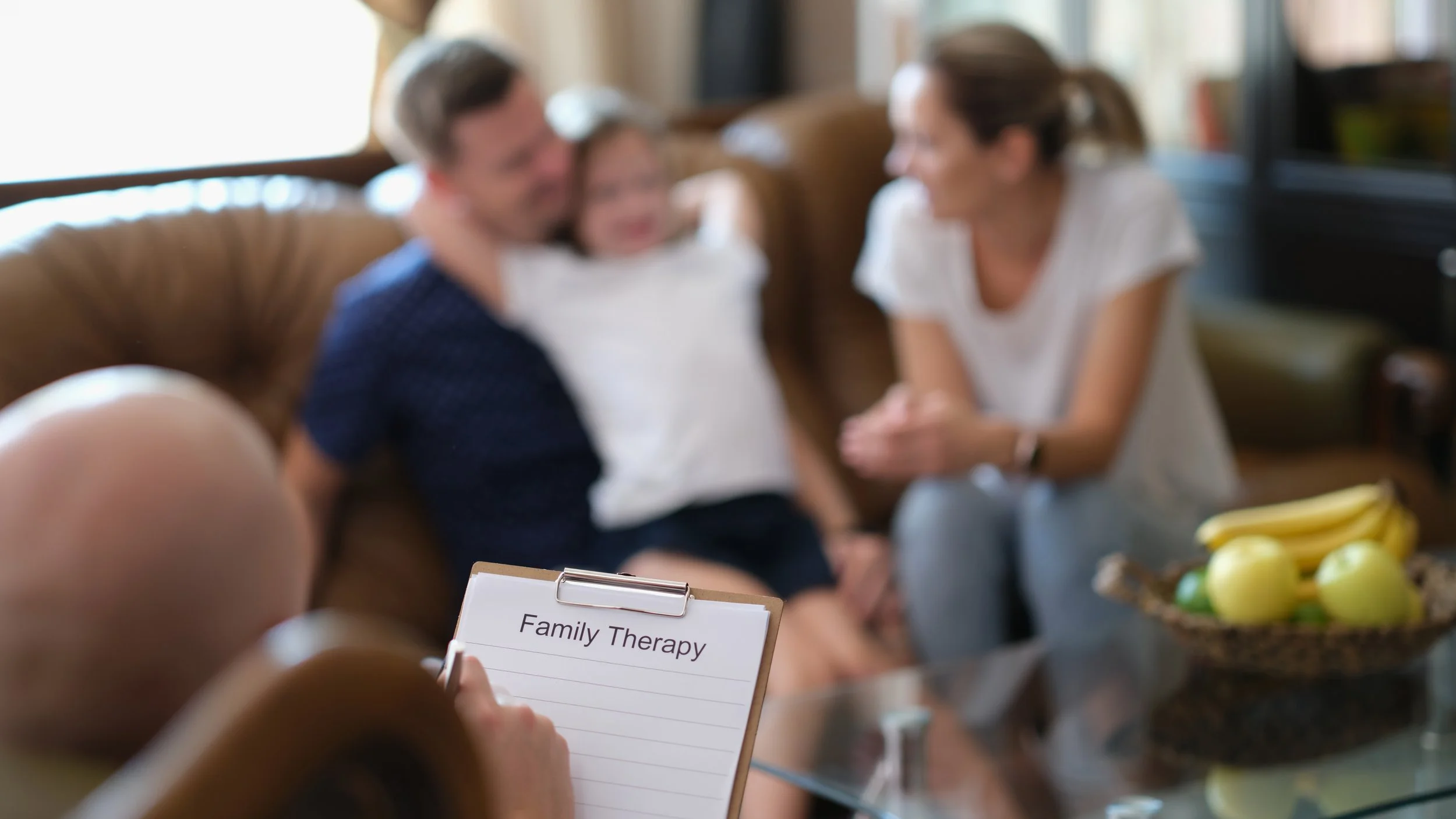
Couples often look for clarity when something in the relationship no longer feels the same. If you’re searching for signs for whether you need relationship counseling, it usually means you’ve sensed a shift like less connection, more conflict, or growing distance, and you’re trying to understand what your relationship needs next.
Seeking answers doesn’t mean your marriage is failing. It means you’re paying attention.
This guide outlines the most common signs couples experience before starting relationship and marriage counseling, why these patterns matter, and how therapy can help you strengthen your connection before issues become harder to repair.
Understanding When a Relationship Needs Support
Many couples assume they should only seek therapy in crisis. But early support is far more effective. By the time partners begin asking, “Do we need help?” they’re often already feeling stuck in repeating patterns, emotionally disconnected, or unsure how to move forward.
If you want to know what is relationship and relationship counseling, the simplest answer is:
It’s a supportive, structured space where partners learn to communicate safely, understand their patterns, and rebuild connections. Most couples don’t need a dramatic event to benefit, just a willingness to understand each other more clearly.
Below are the clearest signs that your relationship may be asking for care.
1. Communication Has Become Difficult or Unproductive
One of the earliest signs couples need relationship counseling is communication that feels tense, repetitive, or simply ineffective.
You may notice:
Arguments escalate quickly
Conversations end in defensiveness or withdrawal
Important topics get avoided
You feel unheard, misunderstood, or dismissed
Communication patterns don’t fix themselves. Therapy helps couples slow down, understand what’s underneath each conflict, and create safer ways of expressing needs. Many couples work through these patterns effectively in marriage counseling.
2. You Feel Emotionally Disconnected
Many partners sense distance long before they ever speak about it. Emotional disconnection often looks like:
Feeling more like roommates than partners
Rarely sharing your inner world
Losing the sense of “us”
Feeling lonely even when you’re together
Disconnection doesn’t mean something is broken, it means the relationship is asking for attention. Therapy helps couples rebuild closeness with intention and clarity.
3. Conflict Feels Heavier, Sharper, or More Frequent
Conflict is normal. But how you move through it matters.
Couples often seek therapy when:
Arguments happen more often
The tone has shifted - more sarcasm, criticism, or resentment
Small issues turn into major disagreements
One or both partners shut down to avoid conflict
What is the #1 thing that destroys marriages?
While research varies, chronic unresolved conflict and the resentment it creates is one of the strongest predictors of relationship breakdown. Research consistently points to chronic unresolved conflict, poor communication, and resentment as key factors linked to divorce.
Marriage counseling helps address conflict patterns early, before emotional damage accumulates.
4. Trust Has Been Strained (Even in Subtle Ways)
Trust isn’t only shaken by major betrayals. It can erode gradually through:
Withholding information
Feeling uncertain about each other’s intentions
Difficulty believing your partner will show up when you need them
Feeling anxious about transparency or honesty
Therapy supports couples in understanding what created the distrust and how to rebuild safety together.
5. You’re Navigating a Transition That Feels Overwhelming
Transitions put pressure on even the strongest relationships. Couples may seek counseling during:
New parenthood or blended family adjustments
Relocation
Job or career changes
Financial stress
Grief or health challenges
These transitions often shift roles, needs, and expectations. Therapy helps couples stay connected and aligned while navigating change.
6. Resentment Is Growing
Resentment forms when small hurts go unaddressed. Signs include:
Feeling taken for granted
Keeping score
Carrying emotional weight alone
Building quiet frustration over time
Because resentment is a strong predictor of relational decline, many ask:
What stage do most couples break up?
Breakups tend to occur not at the peak of conflict, but after long periods of unresolved emotional distance or resentment. Studies also show that couples often separate after long periods of ongoing conflict or withdrawal rather than one specific argument.
Counseling provides a structured space to address these patterns with care rather than blame.
7. Emotional or Physical Intimacy Has Shifted
Changes in intimacy are common, but they often reflect deeper emotional needs. You may notice:
Less affection or physical closeness
Discomfort initiating connection
Feeling unwanted or unsure of where you stand
A loss of emotional safety during vulnerable moments
Therapy helps couples understand what is influencing intimacy and rebuild connection gently and respectfully.
8. You’re Not Sure How to Talk Without Hurting Each Other
Many couples avoid tough conversations because they fear conflict, shutdowns, or emotional withdrawal. Over time, this increases distance.
Marriage counseling teaches couples how to communicate in ways that feel safer, calmer, and more productive, so difficult conversations become opportunities for understanding, not harm.
9. You Want to Improve the Relationship Before Issues Grow
Healthy couples seek counseling, too.
Some attend proactively because they want:
Better communication
A stronger emotional foundation
Tools for handling stress or transitions
A deeper sense of partnership
You don’t need to wait until you’re struggling to seek help. Early support can prevent the patterns that typically grow into bigger challenges.
How Relationship and Marriage Counseling Helps
Therapy offers couples a space to:
Understand their patterns with clarity
Learn communication skills that reduce conflict
Build emotional safety and mutual trust
Reconnect after periods of distance
Heal unresolved hurt
Strengthen intimacy and partnership
Develop tools for navigating future challenges
The goal of counseling is not to assign blame. It’s to help you both feel grounded, understood, and aligned again.
You Don’t Have to Wait for Things to Fall Apart
If you’re noticing these signs, or even if you’re just wondering whether support could help, your relationship is likely asking for attention. Reaching out for help is not a sign of failure. It’s a sign that you care about the future of your partnership.
Couples who seek help early often experience:
More stable communication
Faster reconnection
Reduced resentment
A clearer understanding of each other
Renewed closeness and trust
You deserve a relationship that feels supportive, safe, and steady. If you’re ready to explore what’s possible with help, we’re here. Connect with us to get started.
