When to Seek Grief Counseling After Losing a Loved One
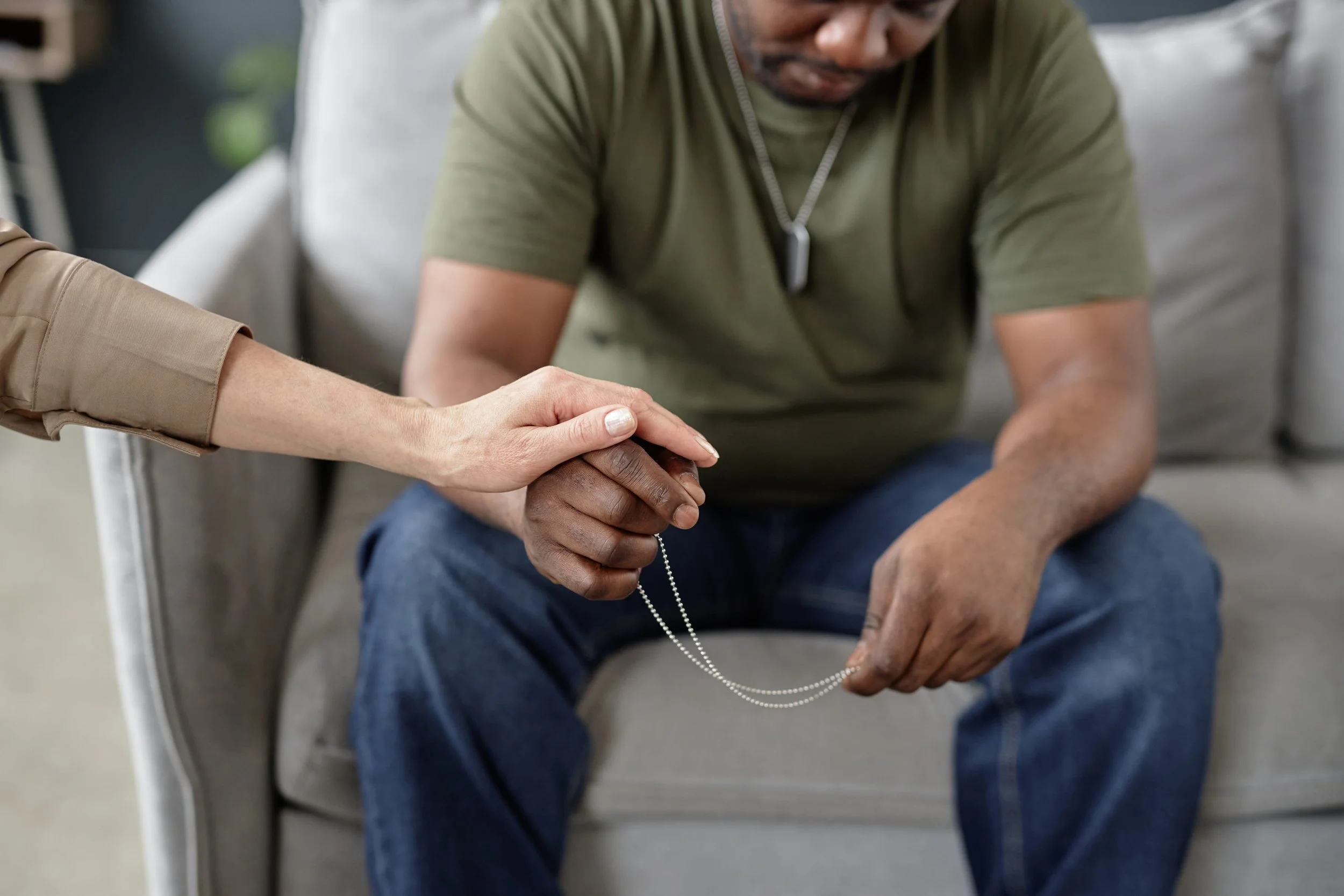
The loss of a loved one is a universal experience, yet it feels profoundly isolating when it happens to you. In the aftermath of a death, many people struggle to navigate their new reality.
So when should you consider grief counseling? The answer is that you do not have to wait for a crisis to seek support. Counseling is a proactive tool that helps you process your emotions in real-time, rather than a "last resort" meant only for those who are completely unable to function.
At Room for Change, we provide compassionate support for clients in Garland, Dallas, Houston, and throughout Texas via in-person and online therapy. We believe that professional guidance can be beneficial at any stage of the journey. Whether you are in the first week of shock or a year into your mourning, having a safe space to express your feelings can prevent the weight of grief from becoming unbearable.
Why Proactive Counseling is More Effective Than Waiting
In our clinical practice, we often see clients who have spent months — or even years — white-knuckling their way through sorrow, believing that "time heals all wounds." While time provides distance, it does not inherently provide processing. Proactive grief counseling is about neural integration; it helps your brain make sense of a world that no longer contains the person you lost.
When you seek support early, you are not admitting defeat. Instead, you are engaging in a form of emotional preventative maintenance. By addressing the trauma and the meaning-making process early on, you can avoid the development of chronic avoidance patterns that often lead to more severe mental health challenges down the road.
Time healing wounds is a myth. I've never met someone that healed alone in their grief, instead I've seen countless people heal as they establish support and community. Grief counseling allows for the reality of the relationship to be unpacked, for the griever to introduce their loved one to a new person, and the depth of their pain to be realized without overtaking them. Once the therapeutic work is concluded, the griever has found new ways to stay connected to their loved one, not simply to say goodbye to the deceased.
- Amanda Esquivel, Owner and Lead Counselor of Room for Change
Critical Indicators That It’s Time to Reach Out
While we encourage a proactive approach, there are specific signs that your grief may be moving from a natural process into a state that requires professional intervention. In our work with clients across Texas, we look for these indicators:
1. The Experience of "Disenfranchised Grief"
Sometimes, the world doesn't validate our loss. This might happen with the loss of an ex-partner, a pet, a non-traditional relationship, or a death by suicide or overdose. If you feel you "don't have the right" to grieve or if you feel judged by others, counseling provides the necessary validation that your loss is real and significant.
2. Hyper-Vigilance and Anxiety
Grief often shatters our sense of safety. If you find yourself constantly worried about the health and safety of your remaining loved ones, or if you are living in a state of "waiting for the next shoe to drop," your nervous system is stuck in a trauma response. We use specialized techniques, like Eye Movement Desensitization and Reprocessing (EMDR) Intensives, to help calm the sympathetic nervous system and restore a sense of security.
3. Identity Erosion
Loss often strips away our roles — spouse, parent, caregiver, or child. If you feel you no longer know who you are without the deceased, therapy can help you navigate this liminal space. We work with you to honor the person you lost while slowly reconstructing an identity that includes your future.
4. Maladaptive "Busy-ness"
One of the most common unhealthy patterns we see is "grief avoidance" through over-working or constant activity. If you find that the moment you sit in silence, the pain becomes intolerable, you may be using "busy-ness" to outrun your mourning. This eventually leads to burnout and physical illness.
Frequently Asked Questions
-
There is no statute of limitations on grief. You can benefit from counseling the week of the loss, or ten years later. However, many find that seeking support within the first few months helps them build healthy coping mechanisms before unhealthy ones (like isolation or substance use) take root.
-
Unhealthy grieving, clinically referred to as complicated or prolonged grief, often looks like a "stuck" state. This includes chronic avoidance of anything related to the deceased, or conversely, an inability to think about anything else. It can also manifest as self-destructive behaviors, persistent bitterness, or a total loss of interest in the future.
-
Try to avoid making major, irreversible life changes for at least a year if possible. Additionally, we encourage clients not to compare their grief to others. Every relationship is unique, and your timeline will not look like anyone else's. Most importantly, do not isolate yourself; even if you don't feel like talking, being in the presence of safe people is vital.
-
For many, months four through nine are the most grueling. The initial shock has faded, the sympathy" from the world has quieted, and the realization that this is a permanent change becomes undeniable. This is also when "firsts" (the first holiday, the first birthday) begin to occur, which can trigger intense setbacks.
You Don't Have to Earn Your Support
At Room for Change, our mission is to provide a space where you can be exactly where you are. Whether you prefer the convenience of online therapy or live in our local communities of Garland, Dallas, or Houston, we offer empathetic, evidence-based care tailored to your unique story. Grief is a heavy burden, but you were never meant to carry it alone.
If you are ready to explore how counseling can support your journey, you can book a grief counseling appointment with us today.
The information provided in this blog post is for educational purposes only and is not intended to diagnose, treat, or prevent any mental health condition. Grief is a personal experience; however, if you are feeling persistent despair or thoughts of self-harm, please seek help immediately. For crisis support, contact the 988 Suicide & Crisis Lifeline (call or text 988) or the Crisis Text Line (text HOME to 741741).